Source: Steve Sheinkin. The Notorious Benedict Arnold - A True
Story of Adventure, Heroism, and Treachery (2010)
Story of Adventure, Heroism, and Treachery (2010)

The Revolutionary War interrupted the court-martial of Major General Benedict Arnold, and he went back to Philadelphia. Arnold continued clandestine negotiations with
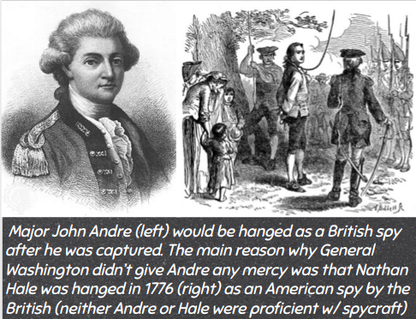
Major John Andre, who was the head of General Henry Clinton's spy network. Arnold told Andre that he wanted to be paid no-matter-what for his efforts (what would be $1.5 million today); Clinton demanded something big for that price tag. To do so, Arnold needed to be back in an important military command, but his court-martial kept getting delayed.
On 23 December 1779, Arnold's court-martial finally resumed at a tavern in Morristown, New Jersey. Arnold stated to the judges that for all he'd done for his nation, he deserved better treatment; he needed an acquittal in order to be put in command in the field again.
Arnold refuted each of the charges one-by-one, and in great detail. Although Arnold was planning on betraying his nation, and had been up-to-his-neck in unethical behavior as the Military Governor of Philadelphia, he didn't FEEL GUILTY . . . Arnold was always able to convince himself that he was doing right.
Major John Andre, who was the head of General Henry Clinton's spy network. Arnold told Andre that he wanted to be paid no-matter-what for his efforts (what would be $1.5 million today); Clinton demanded something big for that price tag. To do so, Arnold needed to be back in an important military command, but his court-martial kept getting delayed.
On 23 December 1779, Arnold's court-martial finally resumed at a tavern in Morristown, New Jersey. Arnold stated to the judges that for all he'd done for his nation, he deserved better treatment; he needed an acquittal in order to be put in command in the field again.
Arnold refuted each of the charges one-by-one, and in great detail. Although Arnold was planning on betraying his nation, and had been up-to-his-neck in unethical behavior as the Military Governor of Philadelphia, he didn't FEEL GUILTY . . . Arnold was always able to convince himself that he was doing right.
On 26 January 1780, Arnold was acquitted of the serious charges; in the opinion of the judges, he was guilty of repeated bad judgment, and was sentenced to an official reprimand from Washington. As the sentence was read, Arnold complained (about the bad judgment) "for what"? Washington procrastinated for two months until finally reprimanding Arnold, and it was a short and mild official rebuke which featured an apology for the reprimand as well. However, that sensitive and generous note from Washington came far-too-late in Arnold's view.
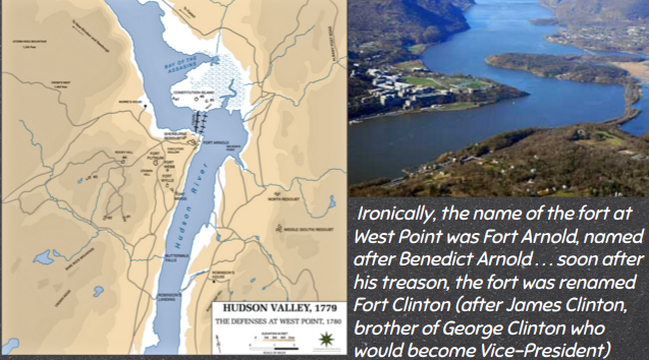
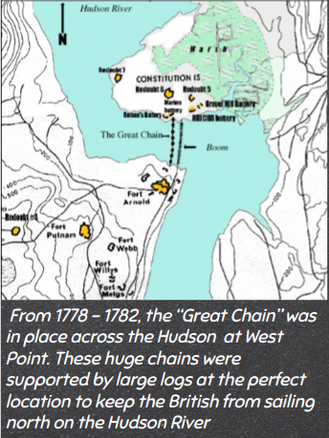
Sometime during May 1780, Arnold started to think about West Point on the Hudson River. The fort sat on a peninsula that jutted into the Hudson River 50 miles north of New York City.
Washington called West Point the "Key to America"; as long as West Point was held, the British fleet could be bottled up in New York City. Arnold told Andre of his plan (wanting more money, of course), and Clinton was finally seriously intrigued, and agreed to Arnold's price. Andre told Arnold that he wasn't getting paid for effort alone, and Arnold agreed that he had to deliver with his plan.
Sometime during May 1780, Arnold started to think about West Point on the Hudson River. The fort sat on a peninsula that jutted into the Hudson River 50 miles north of New York City.
Washington called West Point the "Key to America"; as long as West Point was held, the British fleet could be bottled up in New York City. Arnold told Andre of his plan (wanting more money, of course), and Clinton was finally seriously intrigued, and agreed to Arnold's price. Andre told Arnold that he wasn't getting paid for effort alone, and Arnold agreed that he had to deliver with his plan.
Arnold had been pestering Washington for weeks about West Point. Washington couldn't understand why Arnold was so adamant about being in command at West Point, since the British were unlikely to attack . . . why waste Arnold's abilities at West Point? Washington had a better idea: he offered command of the Left Wing of the Continental Army to Arnold. When Washington told Arnold of his decision, Arnold lost his smile, which visibly annoyed Washington. Washington offered the most prestigious position (except his own), which would place Arnold on top of the "General Heap". Washington, wondering what was going on in Arnold's mind, told Arnold to wait at Headquarters.
Arnold remained at HQ as ordered, and was limping more noticeably in order to be seen doing so. Arnold was also telling as many as possible at HQ that West Point was the only post in which he was physically capable of being in command. On 1 August 1780, Washington issued new orders that placed Arnold in command of the Left Wing. When news of this order reached Arnold's wife, Peggy, she had hysteric fits, since she was in on the plot with her husband (and most likely assisted with many details). Peggy kept telling people that it must have been a mistake; many were surprised that she appeared to value West Point over the Left Wing. Arnold visited Washington again, restating that he physically couldn't handle command of the Left Wing. Washington relented, and on 3 August 1780, he reluctantly rescinded his order, and placed Arnold in command at West Point.
Arnold remained at HQ as ordered, and was limping more noticeably in order to be seen doing so. Arnold was also telling as many as possible at HQ that West Point was the only post in which he was physically capable of being in command. On 1 August 1780, Washington issued new orders that placed Arnold in command of the Left Wing. When news of this order reached Arnold's wife, Peggy, she had hysteric fits, since she was in on the plot with her husband (and most likely assisted with many details). Peggy kept telling people that it must have been a mistake; many were surprised that she appeared to value West Point over the Left Wing. Arnold visited Washington again, restating that he physically couldn't handle command of the Left Wing. Washington relented, and on 3 August 1780, he reluctantly rescinded his order, and placed Arnold in command at West Point.
Clinton placed Andre in charge of the mission to grab Fort Arnold at West Point (earlier in the war, the fort had been renamed in honor of Arnold's heroism and bravery). On the other side of the coin, Arnold had to figure out the best way for the British to attack the fort. Many at West Point, especially his long-time aides, noticed that Arnold seemed bewildered the moment he took command. Among the odd behaviors the aides noticed was that Arnold spent a lot of time with Joshua Hett Smith, a local dandy landowner . . . they had no idea that Smith would play a leading role in Arnold's secret plan . . . and neither did Smith. Arnold chose an abandoned Loyalist mansion on the other side of the Hudson River as his private residence, and since it was very isolated, it was the perfect setting for his plans. Arnold then sent for Peggy, giving her precise instructions and directions to safely get to West Point.
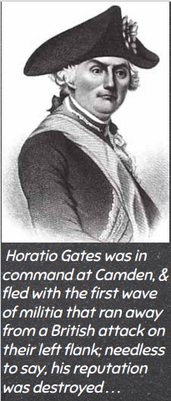
By now, Americans were getting very sick of the Revolutionary War, since it had become a "Never-Ending Story". In the army, dissatisfaction, mutinies, and desertions were all at the highest levels of the entire war. The Continental Army blamed Congress, while Congress resented the non-stop demands of the Army. Then, Major General Horatio Gates led his army to an inglorious defeat at Camden, South Carolina . . . the American Revolution was on the verge of collapse when Arnold took command of West Point.
By now, Americans were getting very sick of the Revolutionary War, since it had become a "Never-Ending Story". In the army, dissatisfaction, mutinies, and desertions were all at the highest levels of the entire war. The Continental Army blamed Congress, while Congress resented the non-stop demands of the Army. Then, Major General Horatio Gates led his army to an inglorious defeat at Camden, South Carolina . . . the American Revolution was on the verge of collapse when Arnold took command of West Point.
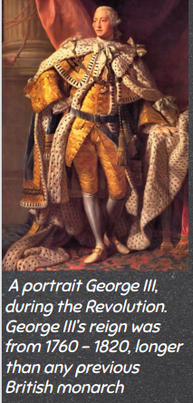
Arnold not only wanted a large amount of money, but he also wanted to end the war and have America return to the British Empire; in his mind, he would not only be rich, but a hero to BOTH lands, and perhaps even be knighted by King George III . . . it was an insanely ambitious and audacious plan, yet the pieces were falling into place. All that remained was for Arnold and Andre to meet face-to-face to work out the final details. Andre was to sail up the Hudson River, anchor at an agreed-upon location, and watch for a rowboat which would conduct him to a safe location for their meeting.
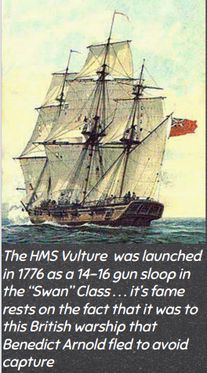
On 16 September 1780, Arnold received news that Washington and his staff were coming to West Point, and that they would be there for several days. This was too good to be true for Arnold, in that not only would he deliver West Point to the British, but also Washington . . . Arnold passed the news on to Andre. Clinton knew that Andre was relatively inexperienced with the ways of a spy in the field, and he gave Andre advice. First, he told Andre, do not go behind American lines. Second, refuse to carry incriminating papers, and third, no matter what, do not take off your British uniform. Clinton told Andre that if anything went wrong, those three rules would provide protection against spying, and an almost certain execution. Andre agreed, and sailed north on the Hudson aboard the HMS Vulture.
On 16 September 1780, Arnold received news that Washington and his staff were coming to West Point, and that they would be there for several days. This was too good to be true for Arnold, in that not only would he deliver West Point to the British, but also Washington . . . Arnold passed the news on to Andre. Clinton knew that Andre was relatively inexperienced with the ways of a spy in the field, and he gave Andre advice. First, he told Andre, do not go behind American lines. Second, refuse to carry incriminating papers, and third, no matter what, do not take off your British uniform. Clinton told Andre that if anything went wrong, those three rules would provide protection against spying, and an almost certain execution. Andre agreed, and sailed north on the Hudson aboard the HMS Vulture.
Arnold saw the HMS Vulture reach the agreed-upon spot, and needed to reach Andre without involving any men under his command. Arnold waited until dark, and then turned to his carefully-chosen tool, Joshua Hett Smith. Arnold wanted Smith to row out to the British ship, and bring back a man named Anderson. Smith was thrilled to be involved with Arnold, which was of great assistance in that Arnold needed Smith's help in recruiting rowers. Two tenant farmers agreed to perform that service, but only after they became somewhat tipsy after drinking rum, which was provided by Arnold.
Smith and the two rowers reached the HMS Vulture, and Smith was forced to go on board to meet Andre. After Smith delivered Andre to Arnold, he was told to leave so their conversation would be private. Smith felt that he had earned the right to be part of the conversation, but he sat by the river while Andre and Arnold talked until 4 am. Smith told the tenant farmers that he was ready to take Andre back to the HMS Vulture, but the rowers refused. It had become a moot point anyway, since it was already dawn, and Andre needed to be concealed until the next evening. Arnold and Andre got on horseback, and moved away from the shore, and came across pickets that saluted Arnold.
Smith and the two rowers reached the HMS Vulture, and Smith was forced to go on board to meet Andre. After Smith delivered Andre to Arnold, he was told to leave so their conversation would be private. Smith felt that he had earned the right to be part of the conversation, but he sat by the river while Andre and Arnold talked until 4 am. Smith told the tenant farmers that he was ready to take Andre back to the HMS Vulture, but the rowers refused. It had become a moot point anyway, since it was already dawn, and Andre needed to be concealed until the next evening. Arnold and Andre got on horseback, and moved away from the shore, and came across pickets that saluted Arnold.
Up to that point, Andre believed he was on neutral ground, but the pickets proved otherwise, and Andre had violated Clinton's first rule of going behind American lines. At Smith's house, Andre took off his blue coat, and Smith saw that he was a British Redcoat. Arnold, Andre, and Smith ate breakfast with very little conversation between the three men. Suddenly explosions came from the Hudson River, and all three rushed to the window.
An American officer, James Livingston, took it upon himself to fire two cannon on the HMS Vulture; he had become annoyed that a British ship was so close to West Point. Firing on the HMS Vulture with a four-pounder (the smallest of the large cannon) was largely useless (and loud), but for two hours, those cannon fired. Six shots actually hit the HMS Vulture's hull, while other shells struck the sails and rigging. The captain was slightly injured by a splinter in the nose . . . that splinter changed the course of American History. The captain of the HMS Vulture ordered the ship to drop back out of range, and Andre was on his own, behind enemy lines, in the company and protection of Benedict Arnold.
An American officer, James Livingston, took it upon himself to fire two cannon on the HMS Vulture; he had become annoyed that a British ship was so close to West Point. Firing on the HMS Vulture with a four-pounder (the smallest of the large cannon) was largely useless (and loud), but for two hours, those cannon fired. Six shots actually hit the HMS Vulture's hull, while other shells struck the sails and rigging. The captain was slightly injured by a splinter in the nose . . . that splinter changed the course of American History. The captain of the HMS Vulture ordered the ship to drop back out of range, and Andre was on his own, behind enemy lines, in the company and protection of Benedict Arnold.
